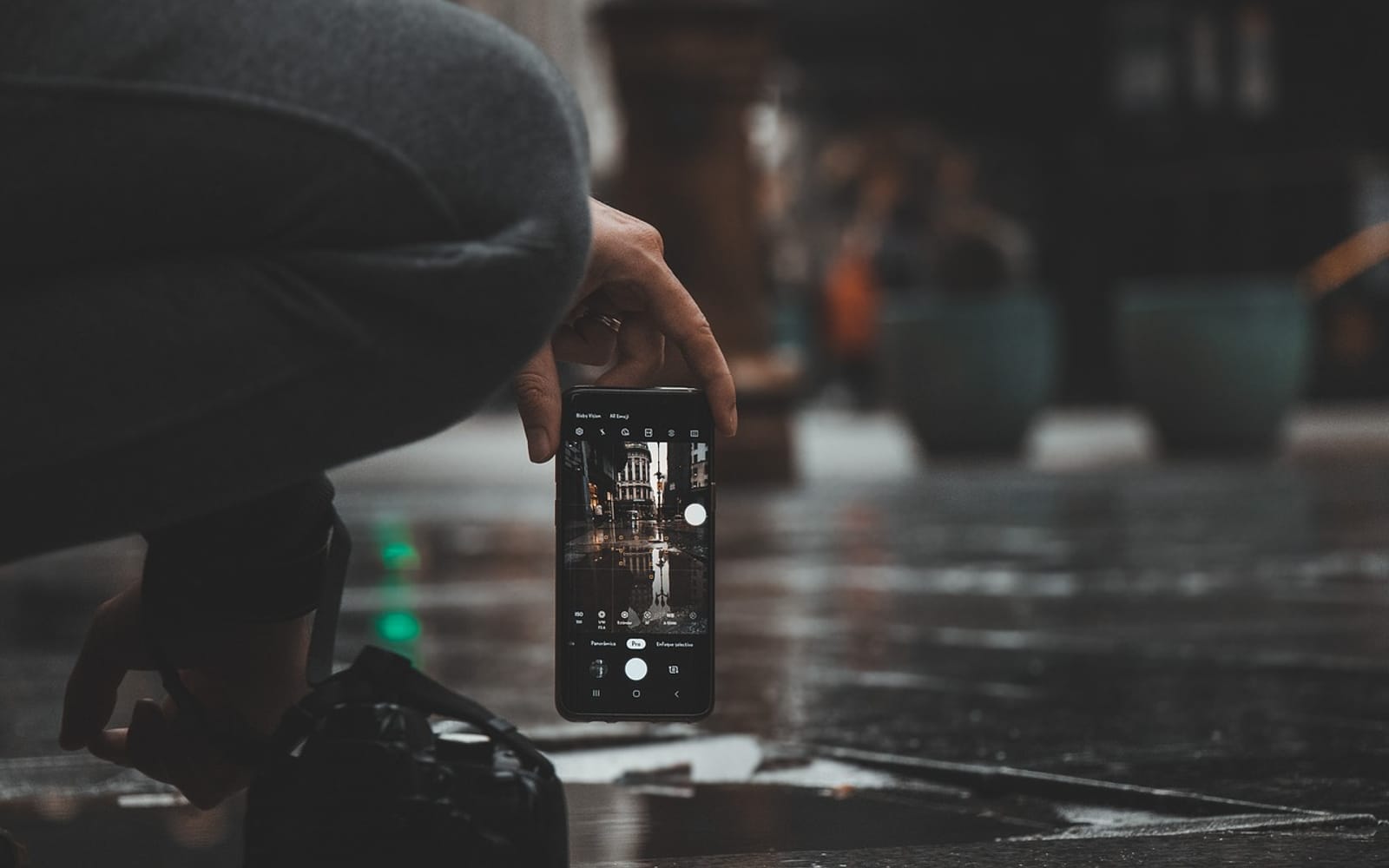
UGC ads are paid ads built from videos or photos made by real customers or paid creators in a natural, phone-shot style. For a D2C brand they work when the brief answers one buyer question, the creator signs a written licence for paid use, the ad carries a clear disclosure label, and versions are tested one change at a time.
This guide is for founders and marketers of Indian direct-to-consumer brands who sell on their own store and run ads on Instagram and Facebook. Most pages that rank for "UGC ads" are written by creator marketplaces: they explain what UGC is and then sell you their platform. Few say anything about India's disclosure rules, what Indian copyright law needs in a usage-rights agreement, or how to test creator videos without fooling yourself. This one covers all of that, with official sources linked, so you can brief, buy, run and test UGC ads with fewer surprises.
What are UGC ads?
UGC ads are adverts that use user-generated content: videos, photos or reviews that look like they were made by an ordinary person rather than a studio, then run with ad spend behind them. The content usually shows someone using the product, talking to the camera, unboxing it or answering a common doubt.
The term covers two quite different things, and mixing them up causes most of the legal and practical problems:
- Organic UGC: a real customer posts about your product on their own, without being paid or asked. You did not commission it, so you own nothing in it.
- Commissioned UGC: you pay a creator (or send free product) to make content in a natural style, usually for you to run as ads. Many of these creators have small followings; you are paying for the video, not their audience.
Both can become ads. But the moment there is payment, free product or any other benefit involved, the content is advertising, and India's disclosure rules apply. We cover those in detail further down.
How are UGC ads different from influencer ads and partnership ads?
UGC ads are about the content, influencer ads are about the person's audience, and partnership ads are a Meta format that runs an ad from the creator's own handle. You can combine them: a creator can make UGC that you then run as a partnership ad.
| Type | What you pay for | Whose account shows the ad | Rights you need |
|---|
| Organic UGC repost | Nothing, unless you buy a licence | Your brand | Written permission from the person who made it |
| Commissioned UGC ad | The video or photos | Your brand | Written licence or assignment covering paid ads, duration and territory |
| Influencer post | Reach to the influencer's followers | The influencer, organically | Depends on the deal; disclosure is always needed |
| Partnership ad (Meta) | Content plus permission to run ads from the creator's handle | Creator and brand together | Creator's permission inside Meta, plus a written agreement |
Meta's developer documentation describes partnership ads as a way to "run Facebook and Instagram ads from a creator or other partner's handle" (Meta for Developers: Partnership Ads). This format was previously known as branded content ads. Because the ad shows the creator's name, it needs their permission in Meta, and that permission can be withdrawn, so do not build your only winning ad on a creator relationship you have not put in writing.
Why do UGC ads suit D2C brands?
UGC ads suit D2C brands because a new brand has no shelf, no salesperson and often no reviews yet, so a real person showing the product in use does the job a shop assistant would do: proving it works, showing size and texture, and answering doubts.
There are practical reasons too:
- Volume: ad platforms reward fresh creative, and studio shoots are slow. A handful of creators can give you many hooks and angles from one brief.
- Format fit: phone-shot vertical video sits naturally in Reels and Stories, where polished TV-style ads often look out of place. Our guide to Instagram Reels marketing covers how that format behaves.
- Objection handling: one video per common doubt ("does it leave a white cast?", "is the size right for a small kitchen?") lets you match the ad to the question each buyer has.
- Learning: which hook and which claim gets people to click tells you what your product page and emails should lead with.
Many articles on this topic quote large percentages about how much more people trust UGC than brand ads. We could not trace those figures to a current, primary study, so we leave them out. Judge UGC by your own tests, not by someone else's headline.
UGC is not a fix for a weak offer or a slow, confusing product page. If people click and do not buy, the problem is often the page; see our conversion optimisation service and the store basics in the D2C launch checklist.
The formats that tend to work are the ones that answer a buyer's question quickly: a demonstration, a problem-to-solution story, an honest first-use reaction, a comparison with the old way of doing things, and a direct answer to a common objection.
| Format | What it shows | Good for | Watch out for |
|---|
| Demonstration | The product being used, close up | Kitchen, home, gadgets, beauty | Filters that change how the result looks |
| Problem to solution | The annoyance first, then the product fixing it | Products that solve one clear problem | Exaggerated "before" scenes |
| First use or unboxing | Packaging, size, first impression | Gifting, premium packaging, apparel | Showing other brands' logos |
| Comparison | Old way versus your product | Replacements for a habit or a common product | Naming or disparaging a competitor |
| Objection answer | One doubt, answered on camera | Higher-priced or unfamiliar products | Claims you cannot prove |
| Routine or "day with" | Where the product fits in daily life | Consumables, food, wellness, pet care | Health claims, which need proof |
Whatever the format, the first few seconds decide whether anyone watches the rest. Ask creators for several opening lines for the same video so you can test hooks without paying for a whole new shoot.
How do you brief a UGC creator?
Brief a UGC creator on one buyer question, the facts they may and may not say, the deliverables, and the rights and disclosure terms, and leave the delivery and wording to them. A brief that scripts every word gets you stiff videos; a brief with no limits gets you unusable claims.
- Pick one question per video. For example, "Will this serum feel sticky in humid weather?" One question gives a clear, focused video.
- Describe the buyer. Who is watching, what they use today, and what worries them about switching.
- List approved claims. Only claims you can prove with test reports, certificates or label information. Mark everything else as off-limits, especially health, medical and "results in X days" type claims.
- List the must-shows. Product name visible, the product in use, the texture or size, and how to buy.
- Ask for modular footage. Several hooks, the main body, and a few spare shots of the product, so your editor can build more versions.
- Set the specs. Vertical video, natural light, clear audio, no background music you do not have the rights to, and no other brands in shot.
- State the disclosure. Tell the creator which label goes where, following the ASCI rules below.
- Agree rights and payment before filming. Paid use, duration, territory, editing permission and partnership ad access, all in writing.
- Agree one review round. Say what you will check (claims, label, product shown correctly) and that you will not rewrite their voice.
Send real product, not a sample sachet, and enough time to use it. The ASCI influencer do's and don'ts tell brands to educate influencers on the correct product benefits and to have a clear contract with disclosure clauses; a good brief does both.
Who owns UGC, and what usage rights do you need?
In general the creator owns the copyright in the video they made, even if you paid for it, unless a written agreement says otherwise; so you need a signed licence or assignment that clearly covers paid advertising before you run it.
Under Section 19 of India's Copyright Act, 1957, an assignment of copyright is not valid unless it is in writing and signed, and it must identify the work and the rights assigned. If the period is not stated, it is deemed to be five years from the date of assignment, and if the territory is not stated, it is presumed to extend within India (Copyright Act, 1957, Section 19, via Indian Kanoon). A WhatsApp "yes, go ahead" is weak protection when an ad is spending money every day.
Your agreement with each creator should cover, at minimum:
| Clause | What to write down |
|---|
| Work | Exactly which videos, photos and raw footage are covered |
| Rights | Organic posting, paid ads, website and product pages, email, marketplaces |
| Duration | A clear start and end date, or perpetual, stated in words |
| Territory | India only, named countries, or worldwide |
| Editing | Permission to cut, re-order, add captions, change hooks and combine with other footage |
| Partnership ads | Whether you may run ads from the creator's handle, and for how long |
| Likeness | Permission to use their face, voice and name in the ad |
| Music and third parties | Creator confirms no unlicensed music, logos or other people without consent |
| Disclosure | Who adds which label, and that the creator will keep it on organic posts |
| Claims | Creator says only approved claims and reflects their real experience |
| Payment | Fee, product, and what happens if you want to extend usage later |
For organic UGC from a real customer, ask in writing for permission to use it in ads, and record the reply with the date. If they say no, do not use it. This is general information, not legal advice; have a lawyer review your template agreement once, then reuse it.
What are the disclosure rules for UGC ads in India?
If a creator received money, free product or any other benefit, the content is advertising and must carry a clear label such as #ad, #sponsored, #collaboration or #partnership, placed where viewers cannot miss it, as set out by ASCI's influencer guidelines and the Department of Consumer Affairs.
The ASCI do's and don'ts page lists the labels to use: #Ad, #Sponsored, #Collaboration, #Partnership, #Employee and #Free gift. It says the label must be in English or the language of the content, must not be hidden in a bio or buried in a caption, and must be superimposed on stories and videos that have no caption. It also says brands should make sure influencers use the correct labels and should not ask for filters that exaggerate the product's benefits.
For videos, the ASCI influencer FAQs set how long the label must stay on screen:
| Content type | How long the label must show (ASCI) |
|---|
| Video up to 15 seconds | At least 3 seconds |
| Video over 15 seconds and under 2 minutes | At least one third of the video's length |
| Video of 2 minutes or more | Throughout the parts where the brand or its features are mentioned |
| Live stream | At the beginning and the end of the broadcast |
| Audio | At the start and the end |
The same FAQs say ASCI issues notices to both the brand and the influencer when the guidelines are broken, so this is not only the creator's problem.
The government has its own guide. In January 2023 the Department of Consumer Affairs released "Endorsements Know-hows!" for celebrities, influencers and virtual influencers (PIB release, Department of Consumer Affairs), and in March 2023 it clarified the disclosure terms that can be used, such as "advertisement", "sponsored", "collaboration" or "paid promotion" (PIB release, March 2023). It also expects endorsers to have used the product or done due diligence before promoting it.
What about a UGC video you run from your own brand account? Meta's ad label already shows "Sponsored", but the person on screen is still endorsing your product for a benefit. The safest approach is to keep a visible disclosure in the video itself, matching the ASCI timings above, and to make sure any organic post by the creator carries one too. ASCI's guidance is updated over time, so check the current version on ASCI's influencer site before each campaign.
This section is general information, not legal advice. Rules were checked on 14 November 2026.
How do you test UGC ads on Meta without fooling yourself?
Test UGC ads by changing one thing at a time, usually the hook first, then the format, then the creator, and judge them on purchases and cost per purchase over a fair period, not on early clicks or views.
- Get tracking right first. Your Meta pixel and server-side events should record purchases correctly, or every test result is noise. Our Meta and Google ads service starts with this check.
- Write down the question. For example: "Does opening with the problem beat opening with the product?"
- Keep everything else equal. Same body, same offer, same landing page, same audience and budget split; only the hook changes.
- Use Meta's built-in A/B test in Ads Manager when you need a clean comparison, rather than reading results from ads that competed for the same budget. If a test ad set barely spends, check our guide to Meta ads not spending before you judge the creative.
- Decide the stopping rule before you start. Agree in advance how many days and how many purchases you will wait for. Calling a winner after a day of clicks is the most common way to pick the wrong ad.
- Read the funnel in order. Did people stop scrolling (hook), keep watching (body), click (offer), and buy (page)? A weak stage tells you what to change next.
- Feed winners back. Give the winning hook and angle to more creators, and use the winning claim on your product page and emails.
Keep a simple creative log: date, creator, hook, format, claim, result and what you decided. After a few months it becomes your own evidence about what your buyers respond to, which is worth more than any industry average. The same log helps your social media content and your retention messages; see our guide to customer retention for D2C brands.
What are the most common UGC ad mistakes?
The most common mistakes are running content without written paid-use rights, leaving out or hiding the disclosure label, letting creators make claims you cannot prove, and judging ads too early.
- No written rights. A creator asks you to stop, and your best ad has to come down.
- Hidden labels. "#ad" at the end of a long hashtag list or only in a comment does not meet ASCI's "hard to miss" standard.
- Unproven claims. "Cleared my acne in a week" is a claim you need to substantiate. ASCI's guidance says influencers can be held accountable for misleading claims unless they did due diligence, and brands receive notices too.
- Beauty filters. Filters that make skin or hair look better than the product can achieve are flagged by ASCI as misleading.
- One creator, one video. A single video tells you very little. Plan for several hooks and several creators from the start.
- Mismatched landing page. The ad promises one thing and the product page leads with another. Match the headline and first image to the ad's angle.
- Ignoring other channels. If you also run Google Shopping, the same product images and claims should line up; see Google Shopping ads for D2C brands.
UGC ads are one part of a wider plan for online stores. If you want to see how they fit with your store, tracking and other channels, our e-commerce and D2C page explains how we work, and our e-commerce marketing service covers the full funnel.
If you are planning UGC ads and want a second pair of eyes on your tracking, product page and current ads before you spend on creators, ask for a free audit. We will tell you plainly what to fix first.
Sources